
Telegram Group Owner Security That Actually Holds
Practical telegram group owner security: admin hygiene, bot permissions, scam patterns, and calm process so your room stays useful, not captured.
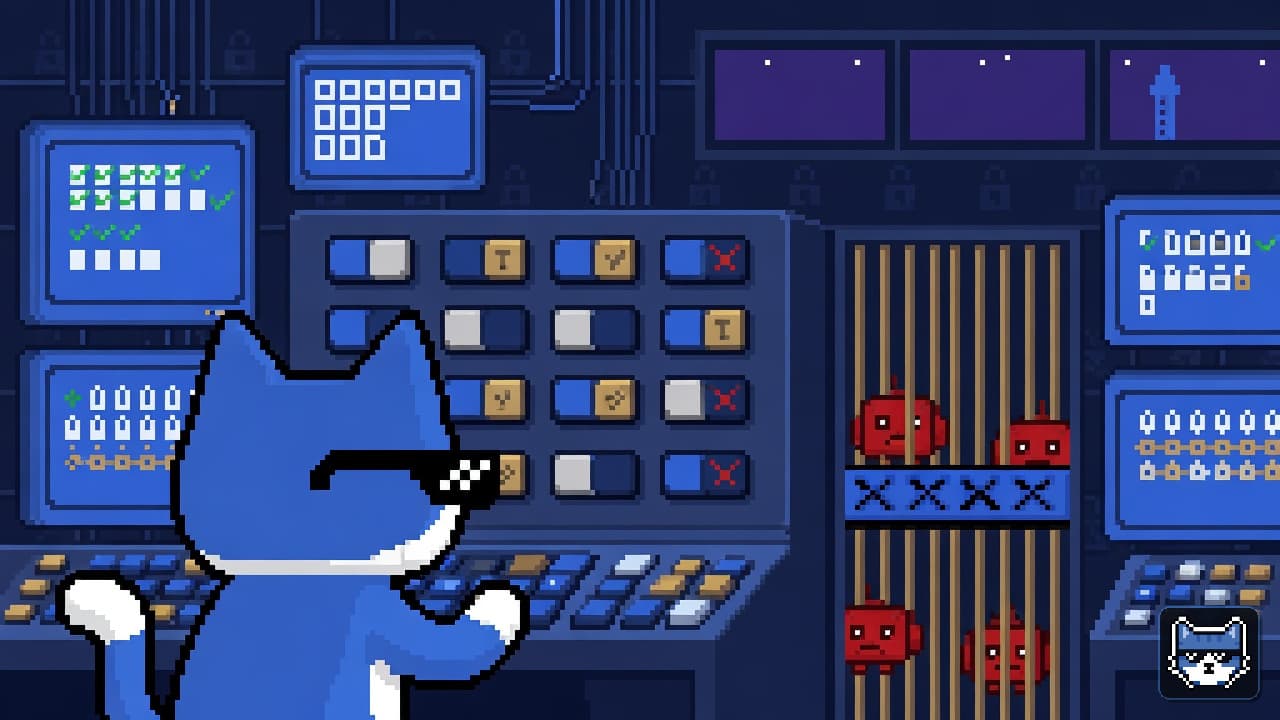
Start With The Ugly Truth
Telegram group owner security fails in boring ways. Not movie hacks. Soft social pressure, lazy admin grants, and bots that asked for the moon while you were half-awake. If you own the room, you own the blast radius. This piece is answer-first: lock the keys, shrink permissions, treat every new bot like a stranger with a clipboard, and keep human review in the loop before anything speaks with authority.
A useful member, not another spam bot. That line is the bar. Your group should feel like process, not a slot machine of last-call contracts and fake urgency.
Why Telegram Group Owner Security Collapses
Owners rarely lose rooms because encryption broke. They lose them because trust got cheap.
Someone offers to help moderate. Someone drops a bot that promises filters, welcome messages, or raid defense. Someone DMs a screenshot of a fake ban wave. Someone needs temporary admin for one event. You click yes. Three weeks later the welcome bot can add more bots, the raid bot can pin, and a quiet account can rewrite the rules while you sleep.
Telegram is flexible by design. Flexibility without a permission diet is how spam culture wins. Strategies over emotions. When a pitch arrives with a countdown, stay quiet until a reply adds value. Silence is a security control.
Map The Real Attack Surface
Think in layers, not vibes.
Ownership and creators. The account that created the group or holds primary control is the crown. If that account is shared, logged in on random phones, or tied to a number you no longer control, you do not have a group. You have a temporary rental.
Admin ranks. Co-admins with add-admin rights are almost owners. Co-admins who can change info, pin, or manage voice chats can reshape the room culture overnight. Co-admins who only delete messages are a different risk class. Treat ranks as tools, not friendship badges.
Bots. Bots are code with an API identity. Code does what its token holder tells it to do. If a bot has permission to invite users, delete messages, or ban, assume that power can be redirected the moment the token leaks or the operator flips. Nice branding does not change that.
Links and Mini Apps. Deep links, invite links with join requests off, and random web apps inside chat are doors. Doors need a doorman. Open doors are how phishing hops from DM into the group timeline.
Social engineering. Fake support, fake partner mods, fake security audits, fake giveaway bots. The bug is FOMO and helpfulness under stress. Mean to the bug, not the person. Your members are not stupid for wanting help. The pitch is designed to skip review.
Permission Diet: Default Deny
Write a simple rule and enforce it like a grown-up.
- Only one or two humans hold full admin with add-admin capability.
- Day-to-day mods get delete and restrict, not promote, not change group info, unless you truly need that and you review monthly.
- No bot receives add-admins, change info, or anonymous admin cosplay unless you can explain why in one plain sentence.
- Invite links are rotated, named, and scoped. Public links that live forever are a gift to scrapers and raid kits.
- Join requests stay on when growth is not the only goal. Speed is not a virtue when the room is still forming norms.
If a helper refuses limited rights, they were not helping. They were shopping for a foothold.
Bot Intake Without The Fairy Tale
Before any bot joins:
- Who operates it, under what name, with what contact path that is not a disappearing alias?
- What exact permissions does it request, and which of those do you actually use on day one?
- Can you disable it in one tap without begging a third party?
- Does it need to read every message, or only commands in a dedicated thread?
- Is there a changelog, a status channel, or at least a pattern of boring maintenance instead of hype posts?
Run a short probation. Put the bot in a test topic or a shadow group first if the feature set is non-trivial. Watch what it posts when nothing is happening. Idle behavior tells you more than the sales blurb.
Never grant a bot the same blast radius you would not grant a junior mod on their first hour. Code does not get emotional. Code also does not feel guilt.
Human Process Beats Magic Filters


Filters help. They do not replace ownership rituals.
Review before voice. Anything that auto-speaks as the group brand should pass a human check: pinned copy, bot replies that sound official, challenge flows, payment or access instructions. If the room starts sounding like a megaphone for contracts and countdowns, you already lost the plot.
Two-person rule for dangerous changes. New full admins, new bots with ban rights, new public links, ownership transfer. One person proposes, another confirms in a side channel you control. Slow is a feature.
Incident notes. When something weird happens, write five lines: time, what members saw, what permissions changed, what you revoked, what you tell the room. Memory is not a log. Drama without notes becomes folklore, and folklore is how the next scam rhymes with the last one.
Member education without theater. Teach people not to DM seed phrases, not to trust random support handles, not to click connect-wallet theater inside chat. Keep it short. Dry. Repeatable. You are not hosting a fear podcast. You are installing habits.
Scam Patterns Owners Should Recognize Early
- Sudden helpful stranger who already has a bot ready.
- Security theater: we got hacked, add this recovery bot now.
- Partnership bait that requires admin for integration.
- Fake screenshot of Telegram notices or ToS threats.
- Giveaway bots that demand forward storms and opaque mini-app permissions.
- Quiet permission creep: last month delete-only, this month pin and invite.
None of these need a novel response. Default deny, verify out of band, restore from known-good admin set, rotate links, tell the room what changed in plain language.
Mini App As A Door, Not A Takeover
Mini Apps can be useful doors for challenges, tools, or structured flows. They are not a reason to hand the group keys to an opaque operator. Keep admin power on human owners. Keep bot scope narrow. If a flow needs identity or tasks, isolate it. Your chat remains a room with norms, not a remote-controlled billboard.
Chatito Bot sits on the useful-member side of that line: process over dopamine, review before voice, no admin takeover cosplay. Visit https://chatito.bot when you want the brand spine, not another spam story. Run the system, not the dopamine.
Owner Hygiene Checklist You Can Run Monthly
- Export or screenshot current admin list and bot list.
- Remove stale mods and unused bots the same day you notice them.
- Confirm who still has add-admin.
- Rotate the primary public invite if it has been sprayed across the internet.
- Re-read pinned rules. Delete zombie pins that contradict current process.
- Test ban and delete flows so you are not learning under fire.
- Check that ownership still sits on an account you fully control, with 2FA, sane session list, and no shared parlor tricks.
- Ask one co-admin to try a permission explanation out loud. If they cannot explain why a bot can ban, revoke and re-add with less power.
Do this on a calendar. Adrenaline is a terrible scheduler.
What Good Looks Like
A secure group feels slightly boring on the admin side. Mods know their lane. Bots do one job. Pitches that demand instant elevation die in silence. Members see consistent rules. When something breaks, the room hears a clear note, not a panic thread.
You will still get raids, scam DMs, and copy-paste FOMO. That is the environment. Telegram group owner security is not a promise of a quiet internet. It is the discipline to keep authority scarce, review normal, and spam culture unwelcome.
Closing
Telegram group owner security is mostly refusal skills: refuse broad permissions, refuse urgency as proof, refuse bots that need to be co-owners to send a welcome message. Keep humans in charge of the keys. Keep code on a leash. Keep the room useful.
Stay quiet until a reply adds value. Strategies over emotions. A useful member, not another spam bot.
Not financial advice. Trading involves risk of loss. Paper is not live. Group chat is never a trade command.
Not financial advice. Trading involves risk of loss. Paper is not live. Group chat is never a trade command.
FAQ
- What is the first step in telegram group owner security?
- Inventory who and what can act with power: owners, admins with add-admin, bots, and permanent invite links. Shrink anything you cannot explain in one sentence, then turn on habits like join requests and monthly permission reviews.
- Should moderator bots get full admin rights?
- No. Give the minimum to delete, restrict, or welcome as needed. Avoid add-admin, group info changes, and vague all-access grants. Probation in a test topic beats trusting a sales pitch.
- How do ownership transfers stay safe?
- Use a two-person rule, verify identity out of band, move power only from accounts you control with 2FA, and document the change. Never transfer because a stranger claims a ban wave or a partnership deadline.
- Are public invite links a security issue?
- Long-lived public links get scraped, raided, and reused in scam funnels. Name them, scope them, rotate them, and prefer join requests when quality matters more than raw speed.
- How should owners talk to members about scams?
- Short, repeatable hygiene: no seed phrases in DMs, no fake support, no wallet-connect theater in chat, report and move on. Skip fear theater. Install habits.