
Telegram Mini App Vs Bot: What Group Owners Should Know
Clear breakdown of Telegram Mini App vs bot for owners: capabilities, limits, spam risk, and how to pick the useful option without hype.
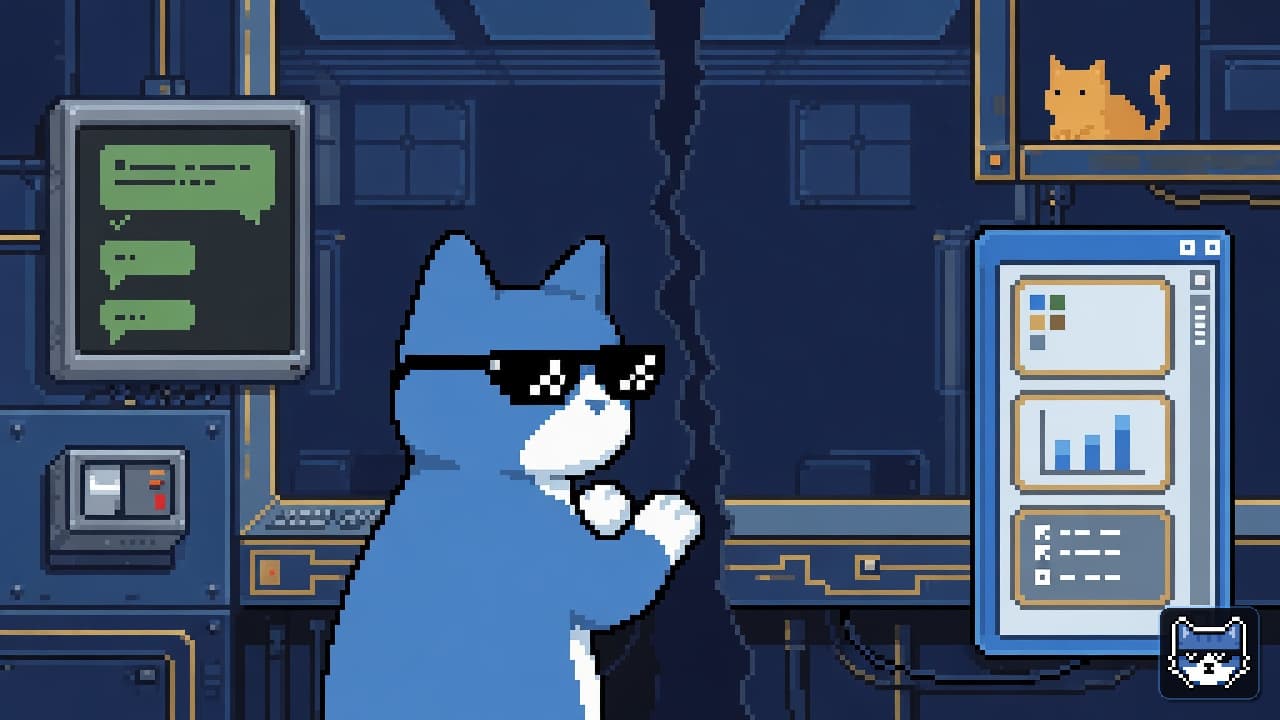
A Telegram Mini App vs bot choice shows up the moment your group grows past casual chat. One path lives in the message stream. The other opens a small product surface inside Telegram. Neither is magic. Both can help or hurt depending on how you run the room.
This is owner hygiene, not a feature parade. You want a useful member, not another spam bot. You want process over dopamine. If you pick tools for vibes alone, you get noise, fake urgency, and a mute list that grows faster than value.
What A Telegram Bot Actually Is
A bot is an account that talks through the Bot API. It can send messages, reply to commands, moderate with the right rights, post keyboards, and sit in groups or private chats. It is text-first and chat-native. People type /start, tap a button, or trigger a filter. The bot answers in the same thread where drama already lives.
Strengths are real. Bots are fast to ship for FAQ replies, welcome flows, basic moderation, forms that collect a few fields, and lightweight alerts. They fit rooms that need a quiet helper more than a full interface. Weaknesses are real too. Long menus in chat feel like spam. Broadcast culture trains people to ignore you. Admin rights can be abused. A bot that pings every candle or every "alpha" call is not a member. It is a siren.
If your bot needs three paragraphs to explain one button, you already lost the plot. Chat is for short moves. Systems belong somewhere cleaner.
What A Telegram Mini App Is
A Mini App is a web app opened inside Telegram. It uses Telegram's webview and user context so people can tap into a fuller UI without leaving the app. Think structured screens, lists, forms with real layout, progress states, and flows that would look broken as ten bot messages.
Mini Apps shine when the job is multi-step: onboarding checklists, challenge boards, settings, history, or anything that needs scanability. They reduce the need to dump walls of text into the group. They also create a door: the group stays human, the product lives one tap away.
Limits matter. A Mini App is still a product. It needs clarity, load speed, and honest copy. If you use it as a hype tunnel with countdown energy and last-call contracts, you did not upgrade. You just moved the spam behind a nicer frame. Run the system, not the dopamine.
Telegram Mini App Vs Bot: Side By Side
Use this as a working map, not a religion.
Interface
Bot: messages, inline buttons, reply keyboards.
Mini App: pages, components, scrollable layout.
Best job
Bot: commands, moderation hooks, short Q and A, alerts with restraint.
Mini App: multi-step tasks, dashboards, structured challenges, settings people revisit.
Group impact
Bot: visible in chat, easy to over-notify.
Mini App: quieter in-room if you stop treating every open as a broadcast event.
Trust surface
Bot: people judge tone, frequency, and admin power.
Mini App: people judge UI honesty, permissions asks, and whether the flow respects their time.
Failure mode
Bot: spam, fake support accounts, reply storms.
Mini App: dark patterns, endless loading, "connect something" pressure that does not belong in a casual room.
The keyword fight of Telegram Mini App vs bot is less about which is newer and more about which failure mode your room can survive. A quiet bot beats a flashy Mini App that trains FOMO. A clean Mini App beats a bot that never stops talking.
When A Bot Is The Right Tool
Pick a bot when the job is narrow and chat-shaped.
- Welcome plus rules in one short path
- Keyword filters and basic moderation assists
- Ticket-style private replies without a full portal
- Owner commands that should stay boring and logged
- Lightweight status that does not need a chart wall
Keep the bot on a short leash. Review before voice. If it cannot stay quiet until a reply adds value, it is not ready for your room. Strategies over emotions applies to tool config too. Turn off the urge to auto-comment on every message "for engagement." Engagement without trust is just noise with metrics.
When A Mini App Is The Right Tool
Pick a Mini App when the job is structured and repeated.
- Multi-screen onboarding that would spam the feed as messages
- Challenge or checklist flows people return to
- Preference centers and history views
- Any flow where layout beats line breaks
- A door from group culture into a calmer product space
Mini Apps help owners separate social heat from system work. The group can stay a room. The app can hold process. That split is the whole point of useful design on Telegram. You are not trying to win every scroll. You are trying to stop the room from becoming a casino of pings.
Owner Hygiene: Shared Rules For Both


Whether you ship a bot, a Mini App, or both, the room still reflects your standards.
Permissions
Give the least power required. A FAQ helper does not need full admin god mode. A Mini App does not need creepy data theater.
Voice
Mean to the bug, not the person. Ban the pattern: fake urgency, guaranteed outcomes, reply-guy bots that dunk for clout. Keep human mods for human mess.
Frequency
Default to quiet. If the tool only exists to manufacture dopamine, delete the schedule. Stay quiet until a reply adds value.
Scam adjacency
Copycat bots and phishing Mini App links love busy groups. Pin official entry points. Teach members to verify the handle and the open path. Silence last-call contract energy. You do not need a sermon. You need a standard.
No fake completeness
Do not claim the tool "answers every good question." It will not. People still need judgment. The useful member standard is help plus restraint, not omniscience cosplay.
How To Decide In One Pass
Ask four questions before you build or buy attention.
- Is the job a short chat action or a multi-step system?
- Will success require silence most of the hour, or constant presence?
- What is the worst spam failure if we misconfigure this?
- Can a new member tell official from clone in under ten seconds?
If the job is short and silence-friendly, start with a bot. If the job is multi-step and you want the group timeline clean, lean Mini App. If you need both, connect them with a clear door and one voice. Do not run two personalities that argue in public.
Common Mixups That Waste Months
"Mini App means we outgrew bots."
No. You outgrew messy jobs in chat. Bots still win at narrow ops.
"More buttons mean more retention."
More buttons mean more confusion. Retention follows clarity and fair pacing.
"Admin rights will fix engagement."
Admin rights fix control. Engagement follows whether the room feels safe and useful.
"We can educate later."
If launch day is pure hype, education feels like a bailout. Ship the standard first.
A Practical Stack Pattern
Many healthy rooms end up with a boring pattern:
- Bot for commands, moderation assists, and short replies
- Mini App for deeper flows and revisit surfaces
- Humans for exceptions, conflict, and taste
- Written rules that match what the tools actually do
That pattern supports the spine: a useful member, not another spam bot. Tools serve the room. The room does not serve the tool's notification quota.
Conclusion
The real Telegram Mini App vs bot decision is a systems decision. Bots excel at chat-native, narrow work. Mini Apps excel at structured product work without flooding the feed. Owners win when they match the job, limit power, verify entry points, and refuse dopamine theater. Build for usefulness. Keep the room legible. Run the system, not the dopamine.
Not financial advice. Trading involves risk of loss. Paper is not live. Group chat is never a trade command.
Not financial advice. Trading involves risk of loss. Paper is not live. Group chat is never a trade command.
FAQ
- Is a Telegram Mini App replacing bots?
- No. Mini Apps handle structured multi-step flows. Bots still fit commands, light moderation, and short chat replies. Many rooms use both with clear jobs.
- Which is safer for group owners, Mini App or bot?
- Safety depends on permissions, official links, and spam discipline. Least privilege, verified entry points, and quiet defaults matter more than the format.
- Can a bot open a Mini App?
- Yes. A common pattern is a short bot reply or button that opens the Mini App door so the group chat stays clean while deeper work happens in the webview.
- Why do bots feel spammy so fast?
- Because chat is a shared timeline. High frequency, hype tone, and broad admin power turn a helper into noise. Default to silence unless a reply adds value.
- When should I skip both and use humans only?
- When the room is small, conflict is mostly social, and automation would create more edge cases than it removes. Tools should reduce chaos, not decorate it.