
Telegram Phishing Scam Patterns That Drain Groups Quietly
Spot a telegram phishing scam before the fake login, clone bot, or support DM hits. Practical red flags for members and group owners.
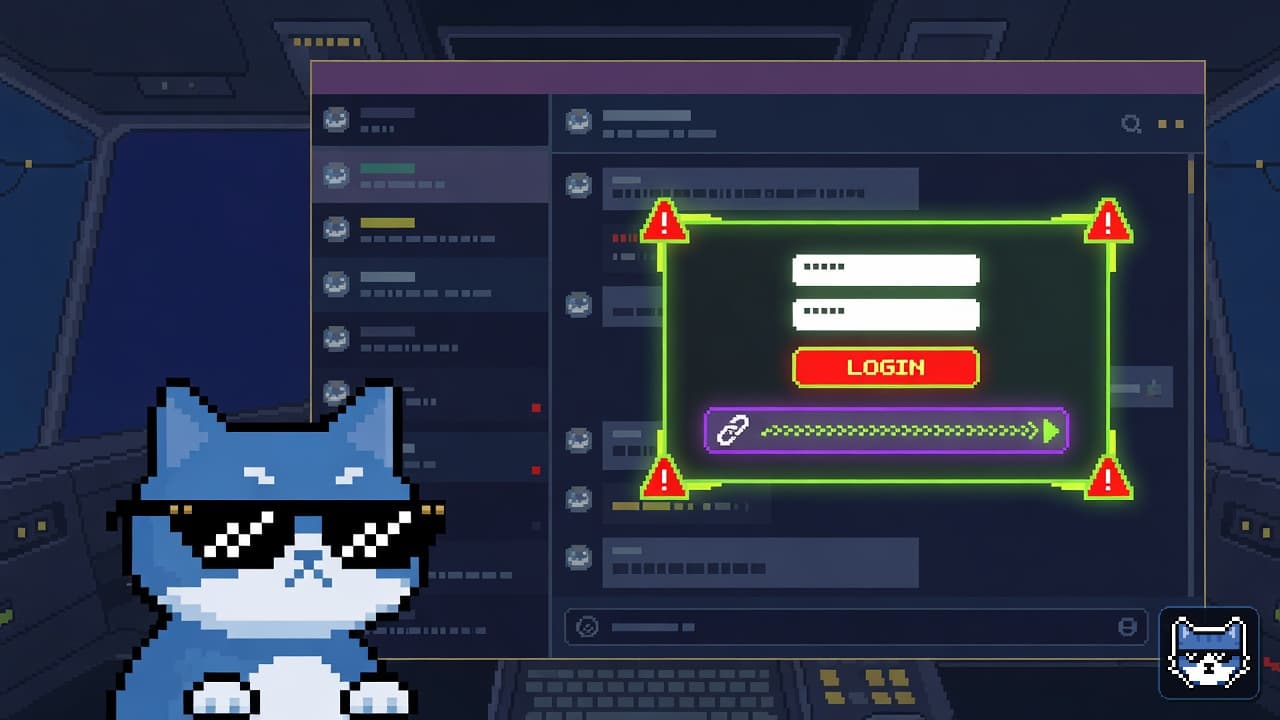
A telegram phishing scam rarely starts with a genius hack. It starts with a busy chat, a rushed admin vibe, and a link that looks almost official. The goal is simple: steal a session, a seed, or a login before anyone slows down long enough to read the URL. This guide is for members and owners who want process over panic, not another scary screenshot thread.
You do not need a degree in security theater. You need a short checklist, a cold eye for bait, and a habit of treating every urgent login request as hostile until proven dull.
What A Telegram Phishing Scam Actually Does
Phishing on Telegram is credential theft dressed as help. The lure is usually one of these:
- A clone support account that DMs first after you ask a normal question in public.
- A fake bot that mirrors a real Mini App or verification flow.
- A pasted "secure wallet connect" page after a giveaway, airdrop, or "account flagged" story.
- A forwarded message with a login gate that steals phone numbers, codes, or session data.
The scam does not need your full life story. It needs one trusted-looking step: open this, paste that, confirm here. Once the session or seed is gone, the chat will still look friendly while the wallet side of your life is already empty.
Telegram is convenient. That convenience is the product the scammer is renting. Groups that live on speed and vibes are easier marks than groups that run boring rules.
Why Rooms Fall For It So Fast
FOMO is the fuel. Someone posts a countdown, a "last seats," or a support reply that sounds official. People click because waiting feels like losing. The bug is not stupidity. The bug is dopamine with a clipboard.
Common pressure lines you will see:
- "Admin will verify you in DM. Reply now."
- "Your account will be limited in 15 minutes. Open this form."
- "New anti-bot check. Connect wallet to stay in the group."
- "We migrated the bot. Use the new link only."
None of that is a trade thesis. It is a hurry spell. Run the system, not the dopamine. If the room only moves when the timer is red, the room is training members to skip URL hygiene.
How Clone Bots And Fake Support Work
A useful member learns the shape of the attack, not the brand logo of the week.
Clone handles. One letter off, a zero instead of O, extra underscore, or a display name that matches staff while the username is junk. Display names are costumes. Usernames and verified context are not optional trivia.
Unsolicited DMs. Real ops almost never open with "send seed to resync" or "click to unlock premium." If you did not start a support ticket through a known channel, a stranger in DM is not your friend with a form.
Login pages that ape Telegram or a wallet. Look at the domain character by character. Homoglyphs and long subdomains exist so your brain auto-completes the brand you already trust.
Bot commands that demand secrets. A bot that asks for recovery phrases, 2FA codes, or full session strings is not onboarding. It is a collection bin.
Forwarded "proof" screenshots. Screenshots are set design. Anyone can crop a success story. They do not validate a link.
Mean this to the pattern, not to the person who almost clicked. The person was tired. The pattern is the enemy.
Red Flags Before You Open Any Link
Pause on these without debating culture or "but the group is usually solid."
- Urgency plus asset movement in the same message.
- A new account speaking like permanent staff.
- Links that skip the group's pinned process.
- Requests for seed, private key, or SMS code in chat or DM.
- "Verify wallet" with no second channel and no written policy.
- Support that refuses to stay in public view when the question is basic.
- Spelling theater that mimics brands but never matches the real handle list in the pins.
If two or more fire at once, close the keyboard. Ask in public with the link unclicked. Strategies over emotions beats a heroic rescue after the drain.
Owners: pin a short "we never DM first for seeds or codes" rule. Members: treat pins as law, not wallpaper.
Owner Hygiene That Cuts Phish Volume


Group owner hygiene is dull on purpose. Dull is how you keep the room.
- Lock down who can post links. New accounts do not need link rights on day one.
- Publish staff usernames in a pin and update that pin when roles change.
- Ban "support in DM" culture for anything that touches money or logins.
- Slow mode during raids and hype spikes so copy-paste bait cannot flood faster than mods can read.
- Kick bots that appear uninvited and demand verification theater.
- Keep one clear door for real tools. If you use a Mini App path, name it in pins so random "new bot just dropped" posts look fake by contrast.
- Log repeated lure domains in a mod note so the same phishing kit cannot rotate weekly without a pattern match.
You are not building a surveillance state. You are removing free clicks for people who industrialize trust.
A useful member, not another spam bot, still matters here. Automation that only yells keywords helps less than humans who enforce a short rule set without performing rage for the crowd.
What Members Should Do After A Close Call
If you almost pasted a seed or already opened a bad page:
- Stop. Do not "finish the flow to see what happens."
- Change passwords and revoke sessions on real services from official apps you already installed, not from the suspicious tab.
- Warn the group with facts: handle used, domain shape, time. Skip the novel.
- Assume any code you typed is burned.
- If funds moved, document tx ids for your own records. Chat revenge threads do not reverse chain history.
Paper drills help more than shame. Walk a fake lure in a private note with a friend and practice saying no. Group chat is never a trade command, and it is never a login command either.
Stay Quiet Until A Reply Adds Value
Not every bait needs a public essay. Sometimes the highest value move is a single reply with the real staff list and a remove. Noise is how phish kits measure which rooms are soft.
Stay quiet until a reply adds value. That line is not aesthetic. It is load management for mods and members who would rather keep the room intact than win a quote-tweet energy contest inside Telegram.
Closing: Treat Every Telegram Phishing Scam As A Process Failure
A telegram phishing scam thrives where process is optional and urgency is sacred. Flip that. Make links earn trust. Make staff identity boring and public. Make seeds and codes unaskable. Keep Mini App and tool doors named so impostors stick out.
Chatito Bot sits on that spine: a useful member, not another spam bot. Run the system, not the dopamine. Review before voice. Leave the countdown cult to rooms that enjoy refund theater.
Not financial advice. Trading involves risk of loss. Paper is not live. Group chat is never a trade command.
Not financial advice. Trading involves risk of loss. Paper is not live. Group chat is never a trade command.
FAQ
- What is a telegram phishing scam in plain terms?
- It is a social engineering attack that uses Telegram chats, DMs, or fake bots to push you toward a fake login, wallet connect, or support flow so attackers can steal sessions, codes, or seeds.
- Do scammers need my seed phrase every time?
- No. Session theft, phishing pages that capture phone codes, and malware-laced "verification" steps can empty accounts without a full seed paste. Treat any secret request as hostile.
- How can group owners reduce phishing without killing chat?
- Restrict link posting for new accounts, pin real staff usernames, ban seed or code requests in policy, use slow mode during hype, and name official tool doors so random bots look wrong immediately.
- Is a screenshot of a payout proof that a link is safe?
- No. Screenshots are easy to fake or recycle. Validate handles, domains, and pinned process instead of trusting cropped success images.
- What should I do if I already clicked a suspicious Telegram link?
- Stop the flow, revoke sessions and change credentials from known official apps, warn the group with handle and domain details, and assume any code you entered is compromised.